FFA Community Impact Challenge
FFA Chapters. Real Projects. Real Impact. During National FFA Week, Innovative Ag Services is investing directly in local FFA chapters. Explore the finalist projects below and cast your vote to help award $1,000 for first place and $500 for second place.
Explore our finalists' projects.
From Greenhouse to Front Porch - MFL MarMac FFA
Students are launching a student-run hanging basket enterprise that blends horticulture, ag business, and ag mechanics into one hands-on learning experience. From selecting plant varieties to pricing and marketing the final product, students manage every step of the process. Funds will support supplies and materials, helping students build real-world skills while creating beautiful, locally grown baskets for their community.
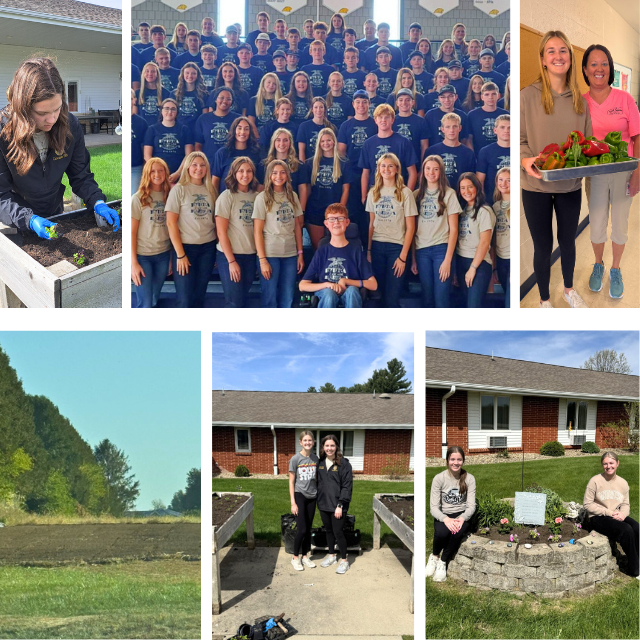
Community Garden - Cascade FFA
Cascade FFA is expanding its community garden to serve more families, senior residents, and local community members. Last year, students grew fresh produce for a nearby care facility and their school kitchen. This year, they plan to expand access so even more residents can enjoy fresh vegetables and flowers. Funds will help purchase plants and seeds to grow healthy food for the entire community.
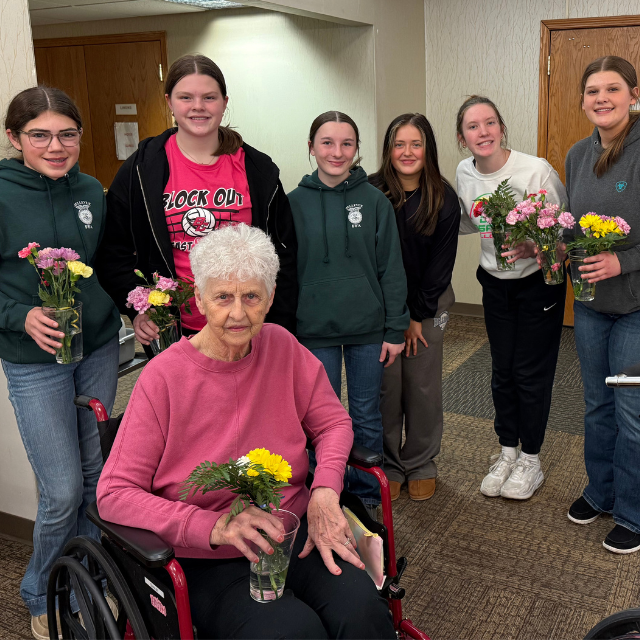
Cultivating Kindness - Bellevue FFA
Bellevue FFA members partner with local nursing home residents to plant, design, and deliver floral arrangements together. This ongoing project builds meaningful connections between generations while teaching valuable horticulture skills. Funds will support materials for floral projects and help continue this unique effort that blends agriculture, service, and compassion.
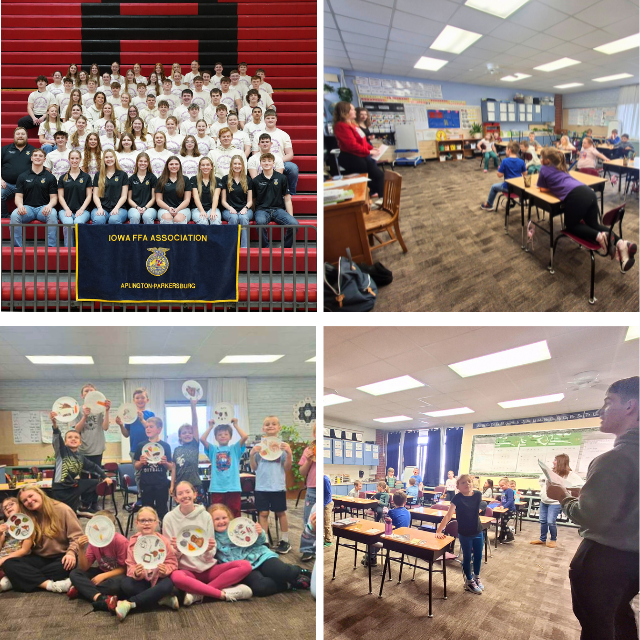
Elementary Ag in the Classroom - Aplington Parkersburg FFA
FFA members are bringing agriculture directly into elementary classrooms, teaching younger students about food, farming, and where their resources come from. The program has already impacted dozens of students and continues to grow. Funding will help provide hands-on learning materials so this program can expand and inspire the next generation of agricultural leaders.
How Finalists Were Selected
Finalists were selected through a blind scoring process by our review committee. Each project was evaluated based on:
• Community impact
• Student involvement
• Project sustainability
• Educational value
• Overall clarity and feasibility
While scoring played an important role, we also ensured the finalist group represents a diverse range of project types — including entrepreneurship, food security, education, and community service — so members can vote among projects that reflect different ways FFA chapters are strengthening their communities.